
Most people know activated carbon as a filter for water or air. It is a very common material, but because it is so good at absorbing things, it needs to be handled with some basic common sense. Whether you are using it in a large industrial plant or taking it as a supplement, there are specific things you should know about how it affects the body and how to store it safely.
At Southern Carbon, we produce high quality carbon from coconut shells, and we always tell our clients that safety starts with understanding the specific grade you are using. This guide covers the main points regarding safety, side effects, and the warnings that often get overlooked.
Understanding the Main Uses
Activated carbon is mainly used to trap impurities. In city water systems, it removes the taste and smell of chlorine. In factories, it is used to pull toxins out of waste streams before they are released. It is also used in hospitals to treat some types of poisoning because it can soak up toxins in the stomach before they enter the blood.
Lately, it has also become popular in things like toothpaste and face masks. While these uses are generally safe, the medical or supplement side of activated carbon is where most of the side effects occur.
Common Side Effects
Even though activated carbon is natural, it can cause a few physical issues. The most common one for people who take it as a supplement is constipation. Because the carbon is designed to soak up liquid and chemicals, it can dry out the digestive tract. If you use it, you have to drink a lot more water than usual to keep things moving.
Another very common thing is black stools. This is not dangerous. It is just the carbon passing through you, but it often surprises people.
If you are working in a warehouse or a factory with activated carbon suppliers in India, the main side effect is irritation from the dust. If the carbon is dry, the fine black powder can get into your throat and lungs. It is not a poison, but it will make you cough and can be very drying for your skin and eyes.
Important Warnings
The first is about medication. Activated carbon is not smart. It does not know the difference between a poison and your medicine. If you take an activated carbon supplement too close to your regular prescription, like blood pressure medicine or birth control, the carbon will absorb the medicine. This means your medicine will not work. You should always wait at least two to four hours between taking carbon and taking any other medication.
The second warning is about oxygen. This is a big deal for people working in industrial settings. When activated carbon gets wet, it can reduce oxygen levels in enclosed spaces. If someone goes into a closed tank or a small storage room where wet carbon is kept, they can pass out because there is not enough oxygen to breathe. This is a hidden danger that causes serious accidents in the industry.
The third warning is that it does not work for all poisons. It is ineffective against alcohol, gasoline, bleach, or metals like iron. If someone swallows something dangerous, you should never try to fix it yourself with charcoal. You need to get them to a hospital immediately.
Handling and Storage Tips
If you are looking for activated carbon manufacturers in India for a business project, you need to think about how you store the material. Carbon is an adsorbent, which means it is constantly pulling things from the air. If you leave a bag open, it will soak up moisture and any smells in the room. This makes the carbon less effective when you actually try to use it for filtration. Keep it in a sealed, dry bag in a cool place.
Also, keep it away from strong chemicals like pool chlorine or bleach. While the carbon itself is not highly flammable, it can react with certain chemicals and generate heat. Most activated carbon suppliers in India also emphasize proper sealed storage to maintain product efficiency during transport and long term use.
Final Practical Advice
The best way to stay safe is to use the right tool for the job. You should never use industrial grade carbon for anything related to food or health. Each grade is made differently, and the safety standards for a wastewater filter are not the same as the standards for a food grade product.
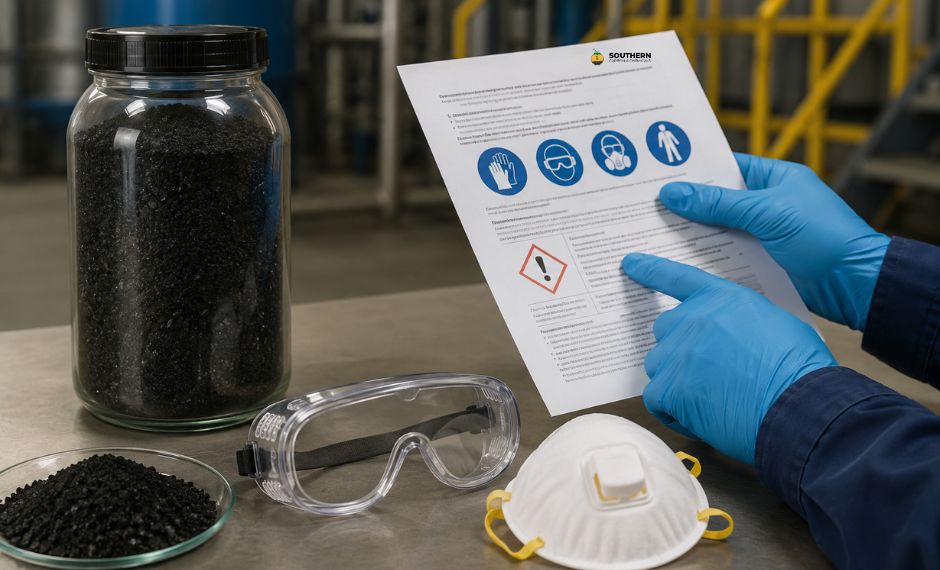
Always ask for a safety data sheet MSDS from your supplier. This sheet tells you exactly what to do if you get the dust in your eyes or if there is a spill. If you are not sure which type of carbon is safe for your specific use, the best move is to talk to the manufacturer directly. They can give you the technical specifications and the safety rules for the exact product you are buying. By following these basic steps, you can use activated carbon effectively without unnecessary health or safety risks.